
Blog
Best Terracotta Planters for Indian Balconies (Tested Through One Monsoon)

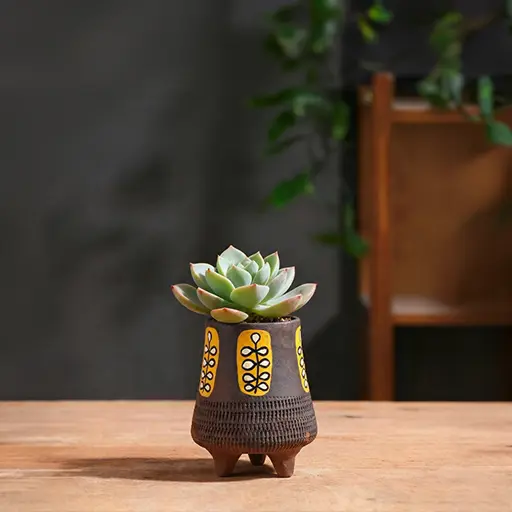
Most “best terracotta planters” lists are written by someone who has never put a real plant in a real pot in a real Indian balcony in June. Here’s a different one.
Pipihiri runs a small outdoor testing area in our workshop. Every design we ship has sat through at least one Delhi summer, one Mumbai monsoon, and one Bangalore cool season before it gets onto the site. Some designs crack. Some fade. Some develop a patina that customers later write in saying they love. We keep what survives.
This list isn’t every planter we sell. It’s the planters that won on real balconies, with the reasons why.
What “best” actually means for a terracotta planter
Four things decide whether a terracotta planter is good for your balcony:
Wall thickness. Too thin and it cracks in frost or when a plant roots deep. Too thick and it’s a back injury to move. The sweet spot for a mid-sized pot is 8–12mm wall.
Drainage. One hole isn’t enough for anything wider than 8 inches. Multiple smaller holes beat one large one — the soil doesn’t run out.
Breathability. The whole point of clay is that it breathes. If it’s been coated in a thick layer of synthetic sealant (some cheap imports are), that feature is dead and you’ve paid a premium for nothing.
Finish. Hand-painted pigments should not flake off in a week. Ask for non-toxic paint — there’s a reason; you don’t want the paint leaching into the soil of an edible plant.
With those benchmarks, here’s what actually earned shelf space.
1. The mid-sized round terracotta planter (8–10 inches)
The workhorse. If you’re buying one planter, this is it. A mid-sized round pot fits money plants, tulsi, small palms, small snake plants, and every single herb that matters in an Indian kitchen (pudina, curry leaf, lemongrass — all happy).
What makes it the best: the shape is old, refined, and unfussy. The clay-to-soil-to-air ratio is balanced for the Indian climate. Hand-painted or plain, it sits in any balcony.
Best for: Beginners, gift-givers, and anyone who wants one pot that goes with everything else.
2. The tall cylindrical terracotta planter (12–18 inches)
For floor-standing plants — ferns, money plants that have outgrown their pot, small citrus, areca palms. A tall planter changes the balcony from “collection of pots” to “garden.”
What makes it the best: height. Most balconies are visually crowded at knee level; a tall planter pulls the eye up and makes the space feel larger.
Watch for: weight. Tall planters are heavy even empty. Have a spot in mind before you buy.
Best for: Corners of balconies, entryways, and people who want one “statement” plant.
3. The hand-painted terracotta pot with traditional motifs
This is where terracotta stops being infrastructure and becomes décor. Warli figures, Madhubani patterns, tribal motifs, and floral block-prints on a natural clay base — pot as object rather than pot as container.
What makes it the best: it works whether there’s a plant in it or not. Customers often buy the planter for décor and only put the plant in later.
Watch for: direct sun can fade painted detail over years. Rotate the pot 180° every few months. Or accept the fading as patina — lots of our customers prefer the aged look.
Best for: Living room corners, console tables, and anyone whose balcony also functions as a visible indoor space.
4. The hanging terracotta planter
For balconies that don’t have floor space. Hanging planters in clay are dramatically better than plastic ones because the plant roots stay cooler, especially in April–June when a black plastic pot effectively cooks the roots.
What makes it the best: the best way to grow trailing plants (money plant, string of pearls, pothos) without losing a square foot of balcony floor.
Watch for: hang from a real bracket into a wall plug, not a plastic clip. Terracotta is heavy.
Best for: Small balconies and narrow corridors.
5. The terracotta seedling / herb pot (4–6 inches)
The smallest useful size. For starting tomatoes, basil, coriander, mint, or gifting as a set of three or five.
What makes it the best: low cost, low commitment, high impact. A row of six small pots on a kitchen windowsill is nicer than any premium planter on the floor.
Best for: Kitchen gardens, gifts, and anyone just starting out.
6. The terracotta trough / long planter
Long, narrow, rectangular. For railings, balcony edges, or kitchen windowsills where a row of herbs makes more sense than one big pot.
What makes it the best: space efficiency. Four herbs in one trough take up the space of one round planter.
Watch for: needs to be well-fired (thicker wall); troughs are structurally the weakest planter shape.
Best for: Herb gardens, railing setups, and urban balconies.
The quick buying checklist
Before you check out, confirm:
- Material is natural clay, fired, not clay-coloured resin or composite
- Paint is non-toxic (this matters for anything edible)
- Drainage holes already present — not “you can drill them yourself”
- Wall thickness feels substantial — pot should weigh more than it looks
- Seller can tell you where it was fired (state or cluster)
Anything sold as “terracotta” that fails two of those is probably not real terracotta.
What to do on day one
New terracotta planter, before first use: soak it in a bucket of clean water for 20–30 minutes. Let it air-dry. This seasons the clay, prevents it from wicking too much moisture out of the soil on day one, and shows any hairline cracks before you load it with plant and compost.
After that, use it like any other pot. Water normally. Re-pot the plant every 18–24 months as it grows. A good terracotta planter will still be around when you move house. And the one after that.
Every planter mentioned is available at Pipihiri’s terracotta planters collection — tested, fired, and painted in India. If you want a recommendation for a specific plant or balcony size, message us and we’ll point you at the right pot.
Explore Pipihiri’s handmade terracotta collection on Amazon India or browse our full online shop.