
Blog
How to Care for Terracotta: The Complete Guide to Making Your Pieces Last for Years

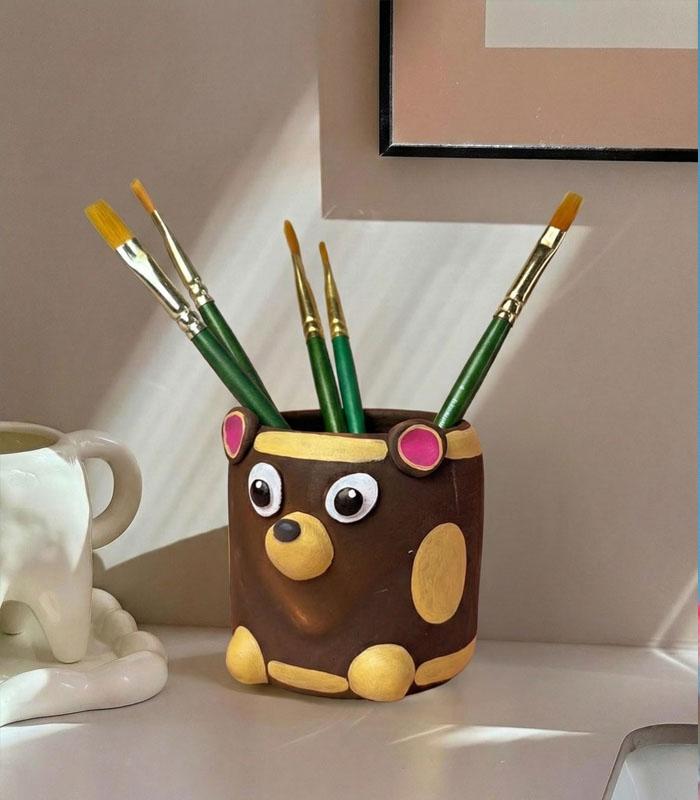
The most common reason terracotta pieces don’t last isn’t the clay. It’s the care — or the lack of information about it.
Terracotta has been used in Indian homes for thousands of years for a reason: the material is natural, beautiful, and durable. The pieces that break or deteriorate do so because of avoidable mistakes — the wrong cleaning method, the wrong storage, or just a lack of guidance that nobody provided.
This guide covers everything you need to know to keep your terracotta pieces looking good and lasting for years.
Understanding Terracotta First
Terracotta means “baked earth” — the same natural clay that’s been used for diyas, pots, and decorative objects across India for generations.
The key characteristic is its porosity. Unlike glazed ceramic or glass, terracotta breathes. This is excellent for planters (roots get oxygen, moisture can escape) but it also means that what you apply to the outside goes into the material — which is why using the wrong cleaning products causes permanent damage.
General Care Rules for All Terracotta Pieces
1. Wipe, don’t soak. For dust and light dirt, a slightly damp cloth is all you need.
2. No soap on the exterior. Dish soap, hand soap, and chemical cleaners penetrate the porous surface. For the outside of any terracotta piece — no soap.
3. Running water for the interior. For planters or functional items, rinse with running water using your hands. This is sufficient for routine maintenance.
4. Dry thoroughly before storing. Trapped moisture causes the material to expand and contract, leading to hairline cracks over time.
5. Avoid extreme temperature changes. Moving from a very cold environment to a hot one causes thermal stress — a risk in air-conditioned rooms in Indian summers.
Care by Product Type
Terracotta Planters
Wipe the exterior with a dry or barely damp cloth monthly. Check drainage holes every few months. Because terracotta is porous, water evaporates through the walls — you may need to water slightly more frequently than in plastic pots.
White residue: A white or grey residue sometimes appears on the outside — this is mineral salt from water and soil leaching through the walls. It’s natural and harmless. Remove with a dry brush or plain water.
Outdoor use: In heavy monsoon conditions, move under shelter or elevate so water doesn’t pool around the base.
Terracotta Coasters
Wipe after use with a dry cloth. If liquid has spilled, wipe immediately and allow to dry. For stubborn stains (tea, coffee, turmeric), dampen a cloth with plain water and press gently before wiping. Store flat or in a holder.
Terracotta Tealight Covers and Lamp Holders
Let the piece cool completely before handling after use — terracotta retains heat. For soot buildup inside, wipe the interior with a dry cloth or soft brush. Never run cold water over a hot terracotta piece.
Terracotta Piggy Banks and Decorative Pieces
A dry soft cloth or soft brush is ideal for regular dusting. Display away from direct sunlight for extended periods — prolonged UV exposure can fade hand-painted details.
Dealing with Chips and Cracks
Small chips (cosmetic): Don’t affect functionality. A terracotta-coloured touch-up paint from any craft store covers these cleanly.
Hairline cracks: On a decorative piece, cosmetic only. On a planter, monitor whether it’s structural — a thin application of craft adhesive on the inside can stabilise it.
What terracotta cannot survive: a drop onto hard tile from height will typically chip or crack it. This is true of ceramics and glass too. It doesn’t make terracotta fragile — it makes it a natural material that responds to physics like everything else does.
Seasonal Care for Indian Homes
Monsoon season: Keep terracotta decorative pieces indoors or in covered areas. Ensure planters have drainage. Wipe down decorative items monthly to prevent mould in very humid conditions.
Summer: Air conditioning creates dry indoor conditions which terracotta handles well. Allow gradual temperature adjustment when moving between AC rooms and outdoor heat.
Winter: In very cold regions with near-freezing temperatures, move outdoor terracotta planters indoors.
Frequently Asked Questions
Can I put terracotta in the dishwasher? No. The heat, water pressure, and detergents will damage both the clay and any hand-painted finishes. Hand-wipe only.
My terracotta has turned darker — is that normal? Yes. Terracotta naturally darkens slightly with age and use. This is not damage — it’s patina, and many consider it beautiful.
How do I remove mould from terracotta? A paste of baking soda and water, applied with a soft brush and rinsed with plain water, removes mould without harming the clay. Dry completely in sunlight.
Is there anything I can apply to protect the finish? For outdoor terracotta, a thin coat of linseed oil applied once a year protects the surface. For indoor decorative pieces, regular dry-cloth care is sufficient.
Terracotta looked after properly doesn’t just last — it improves. The material acquires character with age and use. That’s what makes it different from every synthetic alternative.
Explore Pipihiri’s full range of handcrafted terracotta: planters, coasters, tealight covers, piggy banks.
Explore Pipihiri’s handmade terracotta collection on Amazon India or browse our full online shop.